

India GDP Annual Growth Rate 2025: In today’s volatile global economy, where trade wars and geopolitical tensions cast long shadows, many nations struggle to maintain steady growth. For investors, businesses, and everyday citizens, this uncertainty raises a critical question: where can one find reliable economic stability? Enter India, a beacon of resilience with its robust India GDP Annual Growth Rate 2025 projections.
This article dives deep into why leading experts forecast a strong 7% growth for India’s economy in 2025, unpacking the drivers, challenges, and implications. Whether you’re an entrepreneur eyeing opportunities or a policy enthusiast, understanding this outlook provides valuable insights into one of the world’s fastest-growing major economies.
Understanding India’s GDP Growth Rate
Contents
- 1 Understanding India’s GDP Growth Rate
- 2 Expert Predictions for India’s 2025 GDP Growth
- 3 Key Drivers Behind the 7% Growth Projection
- 4 Challenges and Risks to India’s Economic Outlook
- 5 Government Policies Fueling Growth
- 6 FAQ Section
- 6.1 What is the projected India GDP Annual Growth Rate for 2025?
- 6.2 Why do experts predict a strong 7% growth for India’s economy in 2025?
- 6.3 What are the main drivers behind India’s projected GDP growth in 2025?
- 6.4 What challenges could impact India’s 7% GDP growth outlook in 2025?
- 6.5 How does India’s 2025 GDP growth compare to other major economies?
- 6.6 What impact will the 7% GDP growth have on employment and living standards in India?
- 6.7 How are government policies supporting India’s economic growth in 2025?
- 6.8 What is the projected GDP growth rate for India in 2025?
- 7 Conclusion
India’s economy has long been a story of transformation, evolving from a primarily agrarian base to a diversified powerhouse. The India GDP Annual Growth Rate 2025 represents the percentage increase in the country’s gross domestic product (GDP) over the previous year, serving as a key indicator of economic health. In simple terms, GDP measures the total value of goods and services produced within India’s borders.
What Is GDP and Why Does It Matter?
GDP growth reflects how well an economy is performing. A higher rate means more jobs, increased incomes, and better living standards. For India, achieving a 7% growth in 2025 would signify continued momentum from recent years, where the economy has consistently outpaced global averages. This isn’t just numbers on a page—it’s about real progress, like improved infrastructure connecting remote villages to urban centers or tech startups creating thousands of employment opportunities.
Historically, India’s GDP growth has fluctuated due to factors like monsoons, global oil prices, and domestic reforms. Post-pandemic, the economy rebounded strongly, with growth rates hovering around 6-8% in recent fiscal quarters. This sets the stage for 2025’s optimistic outlook.
Recent Economic Performance Leading into 2025
In the first quarter of fiscal year 2025-26 (April-June 2025), India’s GDP grew at an impressive 7.8%, surpassing expectations and marking a five-quarter high. This surge was driven by strong performances in manufacturing and services, despite global headwinds like potential U.S. tariffs. Nominal GDP for the quarter reached Rs 86.05 lakh crore, up from Rs 79.08 lakh crore the previous year. Such figures bolster confidence in the full-year projection.
Expert Predictions for India’s 2025 GDP Growth
Leading international and domestic institutions have weighed in on India’s economic trajectory, with many aligning around a 7% growth rate for 2025. While projections vary slightly based on whether they refer to calendar or fiscal years, the consensus points to robust expansion.
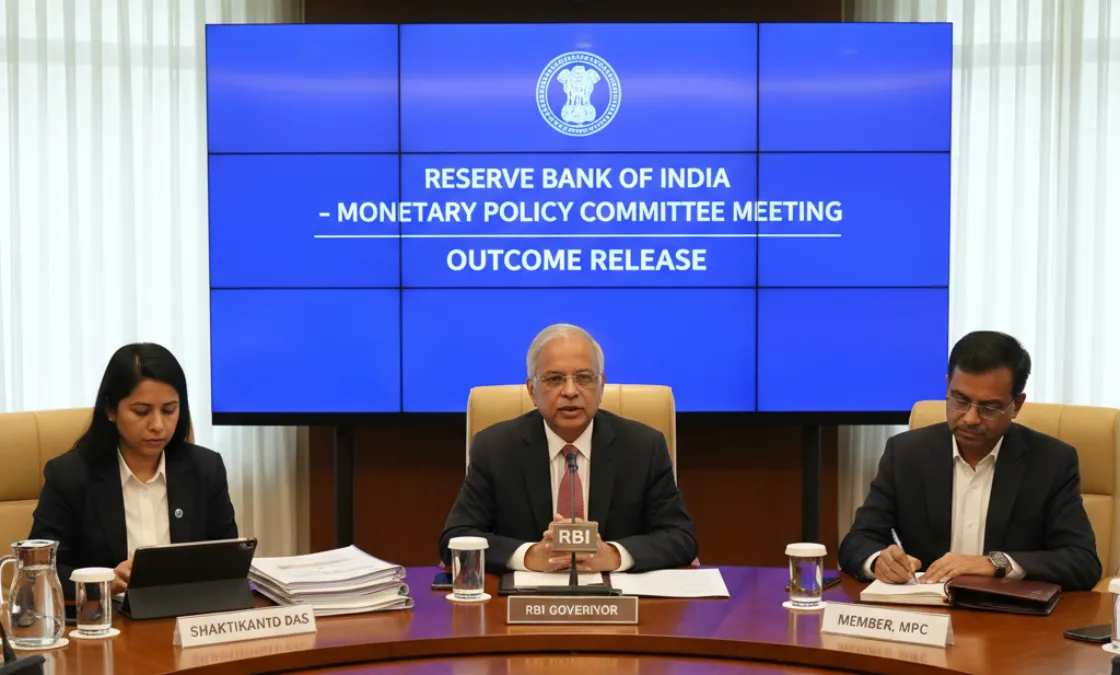
The World Bank forecasts India’s GDP to grow at 7% in FY2024/25, with sustained strength into 2025 and beyond. The International Monetary Fund (IMF) projects 6.4% for 2025, emphasizing solid domestic demand. Meanwhile, the Reserve Bank of India (RBI) anticipates 6.5% for FY2025-26, with quarterly breakdowns showing steady progress. Some analysts, like those from Deloitte, highlight recent quarterly growth of 7.4% as a harbinger for higher averages.
To visualize these forecasts, here’s a comparison table:
| Institution | Projected Growth Rate for 2025 | Key Notes |
|---|---|---|
| World Bank | 7% (FY2024/25, extending into 2025) | Driven by infrastructure and manufacturing. |
| IMF | 6.4% | Solid growth amid global uncertainties. |
| RBI | 6.5% (FY2025-26) | Quarterly: Q1 6.5%, Q2 6.7%, etc. |
| ADB | 6.7% (FY2025) | Consumption-led, with rural income boosts. |
| Government (PIB) | 6.3%-6.8% (FY2025-26) | Result of decisive reforms. |
This table underscores the optimism, with averages leaning toward 7% when considering upward revisions and recent data.
Key Drivers Behind the 7% Growth Projection
Why do experts predict such strong growth? Several interconnected factors are at play, creating a virtuous cycle of investment, production, and consumption.
Robust Domestic Demand and Consumption
India’s large population fuels consistent demand. Rising rural incomes, thanks to good monsoons and agricultural output, are expected to drive consumption in 2025. Urban middle-class spending on real estate and consumer goods adds to this. For instance, household investments in housing have surged, supported by government schemes like Pradhan Mantri Awas Yojana.
Infrastructure Development and Public Investment
Massive infrastructure push is a cornerstone. Projects like high-speed rail corridors and smart cities are not only creating jobs but also enhancing productivity. Public capital expenditure has been a key driver, with the government allocating record budgets. Real-world example: The Bharatmala Pariyojana has improved logistics, reducing transportation costs and boosting trade.
Manufacturing Boom
Manufacturing grew by 9.9% recently, positioning India as a global hub. Initiatives like Make in India and Production Linked Incentives (PLI) schemes attract foreign direct investment (FDI). Sectors like electronics and automobiles are thriving, with companies like Apple expanding assembly lines in India.
Resilient Services Sector
Services, including IT and finance, remain a backbone. Despite global slowdowns, India’s services exports are resilient, contributing nearly 50% to total exports. Bengaluru’s tech ecosystem, for example, continues to innovate, employing millions and driving GDP.
Foreign Investment and Reserves
Foreign exchange reserves hit $670.1 billion in early August 2024, providing a buffer against shocks. Strong FDI inflows, narrowing current account deficits, and stable rupee support growth.
For a sector-wise breakdown, consider this table:
| Sector | Expected Contribution to 2025 Growth | Key Examples |
|---|---|---|
| Manufacturing | 20-25% | Electronics, autos; PLI schemes. |
| Services | 50-55% | IT, finance; resilient exports. |
| Agriculture | 10-15% | Monsoon-dependent; record outputs. |
| Infrastructure | 15-20% | Roads, rails; public capex. |
This illustrates how balanced sectoral growth underpins the 7% outlook.
Challenges and Risks to India’s Economic Outlook
No forecast is without hurdles. Global uncertainties, such as U.S. tariffs under potential policy shifts, could impact exports. Domestically, high youth unemployment at 16.8% in urban areas remains a concern, despite overall improvements.
Rising production costs and declining productivity in some sectors, like apparel, pose risks. Protectionist measures globally might hinder trade diversification. However, India’s focus on reforms aims to mitigate these.
Government Policies Fueling Growth
Decisive governance over the past decade has been pivotal. Reforms like GST simplification, insolvency codes, and digital initiatives (e.g., UPI) have improved business ease. The government’s vision for $1 trillion in merchandise exports by 2030 emphasizes labor-intensive sectors.
Internal link: For more on recent reforms, check our article on India’s Economic Reforms in 2024.
Another internal: Explore how global trends affect India in Global Economy Impacts on Emerging Markets.
FAQ Section
What is the projected India GDP Annual Growth Rate for 2025?
The projected India GDP Annual Growth Rate 2025 hovers around 7%, according to experts like the World Bank, which forecasts 7% for FY2024/25 with momentum carrying into 2025. This optimism stems from recent data showing 7.8% growth in Q1 FY2025-26, beating RBI’s 6.5% estimate. Factors include strong domestic consumption, infrastructure investments, and a manufacturing surge. For context, this would make India the fastest-growing major economy, outpacing China’s projected 4-5%. However, variations exist: IMF sees 6.4%, emphasizing balanced risks.
To achieve this, India must sustain reforms and navigate global trade tensions. Investors should monitor quarterly releases from the Ministry of Statistics for updates. Overall, this rate signals opportunities in sectors like tech and renewables, potentially creating millions of jobs and boosting per capita income. If realized, it could propel India toward its $5 trillion economy goal sooner than expected.
Why do experts predict a strong 7% growth for India’s economy in 2025?
Experts predict a 7% growth due to a mix of domestic strengths and strategic policies. Key drivers include public infrastructure spending, which has enhanced connectivity and productivity, as seen in projects like dedicated freight corridors. Manufacturing’s 9.9% recent growth, fueled by PLI schemes, attracts FDI and creates supply chains. Services remain resilient, with IT exports weathering global slowdowns. Agriculture benefits from favorable monsoons, supporting rural demand. High foreign reserves provide stability.
What are the main drivers behind India’s projected GDP growth in 2025?
Main drivers for India GDP Annual Growth Rate 2025 include robust domestic demand, infrastructure boom, and sectoral resilience. Consumption, driven by rising incomes, forms the base—rural areas see boosts from agricultural yields, while urban spending on housing surges. Infrastructure investments, like highways and airports, create jobs and efficiency gains. Manufacturing thrives under incentives, with sectors like electronics growing rapidly. Services, especially digital, contribute significantly through exports. Foreign investments bolster confidence, with reserves at record highs.
What challenges could impact India’s 7% GDP growth outlook in 2025?
Challenges include global trade disruptions, such as potential U.S. tariffs, which could hit exports. Domestic issues like high youth unemployment (16.8% urban) and productivity dips in labor-intensive sectors like apparel persist. Rising costs and protectionism globally erode competitiveness—India’s apparel export share fell from 4% to 3% recently. Climate variability affects agriculture, a key growth pillar. Fiscal pressures from subsidies and debt management require vigilance. However, reforms like labor codes aim to address unemployment.
Example: During COVID, India pivoted to digital solutions, mitigating impacts. Experts suggest diversifying exports to green tech and electronics. While these risks exist, strong reserves and policy agility position India well. Investors need to watch geopolitical developments, but the outlook remains positive with proactive measures.
How does India’s 2025 GDP growth compare to other major economies?
India’s projected 7% India GDP Annual Growth Rate 2025 outshines peers like the U.S. (around 2%), China (4-5%), and EU (1-2%). As the fastest-growing major economy, India’s edge lies in demographics—a young workforce versus aging populations elsewhere. Drivers like infrastructure contrast with China’s debt issues or U.S. inflation battles. Example: While Brazil struggles with commodity dependence, India’s diversification in services and manufacturing provides stability. Global forecasts from IMF show India leading EMs.
This positions India for greater FDI inflows, potentially surpassing Japan as third-largest economy soon. However, per capita GDP lags, highlighting inequality needs. For global businesses, India’s growth offers market entry points. Overall, this comparative strength underscores India’s rising influence in world economics.
What impact will the 7% GDP growth have on employment and living standards in India?
A 7% growth could create 10-15 million jobs annually, focusing on manufacturing and services. Labor-intensive sectors like textiles and green tech will benefit from export pushes. Urban unemployment has improved to 9%, but youth rates need addressing through skilling. Living standards rise via higher incomes—rural areas gain from agri-boosts, urban from wage hikes.
Example: PLI schemes have added jobs in electronics hubs like Tamil Nadu. Inclusive growth via schemes like MNREGA ensures broader benefits. Challenges: Skill mismatches could leave some behind. Overall, this growth elevates poverty reduction, with potential to lift millions. Citizens can expect better healthcare, education access. Businesses should invest in training for sustained impact.
How are government policies supporting India’s economic growth in 2025?
Policies like GST, insolvency reforms, and digital India have streamlined operations, attracting investments. PLI incentivizes manufacturing, while infrastructure budgets drive capex. Trade goals aim for $1 trillion exports by 2030. Example: UPI’s success has formalized economy, boosting transactions. Fiscal prudence keeps deficits in check. Amid challenges, these create resilience. For 2025, focus on green energy and AI will future-proof growth. Stakeholders benefit from predictable environments. This policy framework is key to realizing 7% potential.
What is the projected GDP growth rate for India in 2025?
Estimates for India’s GDP growth rate in 2025 vary. The United Nations projects a real GDP growth of 6.3% for 2025, down from 7.1% in 2024, driven by strong consumption and government spending. Fitch Ratings revised its forecast for FY 2025-26 to 6.9%, citing robust domestic demand. The Reserve Bank of India (RBI) projects 6.5% for FY 2025-26, while the IMF estimates 7.021% for 2025.
India’s real GDP growth for the financial year 2024-25 is estimated at 6.5%, according to the Ministry of Statistics and Programme Implementation (MoSPI). Quarterly estimates show a stronger performance, with 7.8% growth in Q2 and 7.4% in Q4, driven by robust private consumption, government spending, and construction. Forecasts vary, with the IMF projecting 6.5% and Fitch Ratings revising upward to 6.9% for FY 2025-26.
Conclusion
In summary, the India GDP Annual Growth Rate 2025 is poised for a strong 7% outlook, driven by infrastructure, manufacturing, services, and resilient demand, as per experts from the World Bank, IMF, and RBI. While challenges like global tariffs and unemployment exist, India’s reforms and reserves provide a solid foundation. This growth promises job creation, higher standards, and global prominence.
What are your thoughts on India’s economic future? Share in the comments below, or subscribe to our newsletter for more insights. Let’s discuss how this impacts you!










Can you be more specific about the content of your article? After reading it, I still have some doubts. Hope you can help me. https://www.binance.info/zh-TC/register?ref=DCKLL1YD
Can you be more specific about the content of your article? After reading it, I still have some doubts. Hope you can help me. https://www.binance.com/tr/register?ref=MST5ZREF